
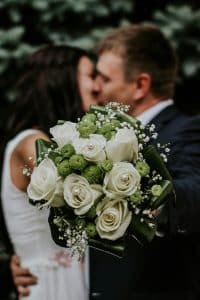
Planning your dream wedding can be both exciting and overwhelming, especially when it comes to creating the perfect floral arrangements. Flowers play a huge role in setting the mood, adding color, and expressing the couple’s personal style. While many couples hire professional florists, others choose to take on the challenge of designing their own floral decorations. If you’re planning to create your own DIY wedding flower arrangements, you’ve come to the right place. With the right guidance, tools, and creativity, you can craft stunning bouquets and centerpieces that look like they came straight from a professional florist.
“Every love story blooms beautifully — let our wedding flowers capture the magic of your forever.” – Williams Flower & Gift – Capitol Hill Florist
- Start with a Clear Vision
- Choose Flowers That Match Your Theme and Season
- Plan Ahead and Order Early
- Gather the Right Tools and Supplies
- Learn the Basics of Floral Design
- Practice Before the Big Day
- Prepare and Store Flowers Properly
- Keep It Simple and Manageable
- Mix Fresh and Artificial Flowers (Optional)
- Add Personal Touches
In this guide, we’ll share essential tips and tricks for planning, designing, and assembling your own wedding flower arrangements, whether it’s for your bridal bouquet, ceremony arch, or reception table décor.
Start with a Clear Vision
Before purchasing any flowers, it’s important to define the overall theme and style of your wedding. Are you going for a rustic countryside vibe, a classic romantic look, or a modern minimalist aesthetic? Your theme will influence your flower choices, color palette, and arrangement style.
Create a mood board with inspiration photos from magazines, Pinterest, or wedding blogs. Pay attention to details such as color combinations, flower types, and bouquet shapes. Having a clear vision will help guide your decisions and make the process more cohesive.
Choose Flowers That Match Your Theme and Season
One of the most practical tips for DIY wedding flowers is to select blooms that are in season. Seasonal flowers are not only fresher but also more affordable and easier to find locally.
For example:
- Spring weddings: tulips, peonies, daffodils, ranunculus
- Summer weddings: roses, sunflowers, dahlias, hydrangeas
- Autumn weddings: chrysanthemums, marigolds, calla lilies, asters
- Winter weddings: amaryllis, poinsettias, pine greenery, white roses
If you’re unsure which flowers are in season, visit your local flower market or consult with a nearby florist shop for expert advice. You can also mix in hardy greenery like eucalyptus, ferns, or olive branches to add texture and volume.
Plan Ahead and Order Early
Timing is key when it comes to DIY wedding flowers. Most fresh blooms need to be ordered one to two weeks in advance to ensure availability and quality. Consider purchasing your flowers from wholesale flower markets, local growers, or online flower suppliers that cater to DIY brides.
When ordering, always buy a few extra stems in case of breakage or last-minute adjustments. It’s better to have surplus flowers than to run short on your wedding day.
Gather the Right Tools and Supplies
Having the proper tools will make arranging flowers much easier and more enjoyable. Here’s a list of essentials every DIY florist should have:
- Floral scissors or shears
- Floral tape and wire
- Flower food and clean buckets
- Floral foam or water tubes
- Ribbon or twine
- Vases, mason jars, or decorative containers
- A spray bottle for misting
Prepare your workspace in a cool, clean area with plenty of room to spread out your materials. Keeping everything organized will help you stay focused and stress-free.
“At our flower shop, we believe your bridal bouquet should be as unforgettable as the moment you say ‘I do.’” – Studio Petall Flora Gifts & Flower Delivery
Learn the Basics of Floral Design
Even if you’re not a professional florist, understanding a few basic design principles can elevate your arrangements from amateur to stunning. Keep these floral design fundamentals in mind:
- Balance – Distribute colors and flower sizes evenly throughout your arrangement.
- Proportion – Ensure the arrangement fits well with its container or display area.
- Focal Point – Choose one or two standout flowers as the centerpiece of your bouquet.
- Texture and Depth – Combine different shapes, sizes, and foliage to create visual interest.
Don’t be afraid to experiment with flower placement. Start with greenery as your base, then add focal flowers (like roses or peonies), followed by filler flowers (like baby’s breath or wax flowers).
Practice Before the Big Day
If possible, do a trial run at least a week before your wedding. Practice creating your bouquet, centerpieces, or any floral installations to get a feel for the process. This helps you estimate how long it takes, how many stems you’ll need, and whether your design matches your vision.
Take photos of your test arrangements so you can replicate them later. You’ll also gain confidence knowing exactly what to do on the day before your wedding.
Prepare and Store Flowers Properly
Freshness is key to beautiful wedding blooms. Once your flowers arrive, trim the stems at an angle, remove excess leaves, and place them in clean water with flower food. Keep them in a cool, shaded area away from direct sunlight and heat sources.
On the day of your wedding, lightly mist your arrangements with water to keep them hydrated. For bouquets, wrap the stems in damp paper towels and store them in vases until it’s time to walk down the aisle.
Keep It Simple and Manageable
While it’s tempting to go all out, simplicity often leads to elegance. Choose a few statement arrangements that will make a big visual impact—like your bridal bouquet, ceremony arch, and reception centerpieces—rather than trying to decorate every corner.
Remember, DIY floral design can be time-consuming. Assign a few trusted friends or family members to help you assemble and transport arrangements on the wedding day. Having extra hands ensures everything comes together smoothly.
“From elegant flower arches to timeless centerpieces, our wedding floral designs bring your dream ceremony to life.” – The Lilac Florist & Flower Delivery
Mix Fresh and Artificial Flowers (Optional)
For those worried about wilted flowers or budget constraints, consider combining fresh and faux blooms. High-quality silk or dried flowers can look surprisingly realistic and blend beautifully with real ones. They’re especially useful for floral crowns, boutonnieres, or outdoor setups where heat might affect fresh petals.
Add Personal Touches
DIY wedding flower arrangements give you the freedom to infuse your personality into every detail. Add sentimental touches such as:
- A piece of lace from your mother’s wedding gown wrapped around your bouquet handle
- Charms, lockets, or ribbons in your wedding colors
- Locally grown flowers that have special meaning to you and your partner
- These small details make your arrangements even more meaningful and memorable.
Final Thoughts
Creating your own DIY wedding flower arrangements is a rewarding experience that allows you to express creativity, save money, and add a personal touch to your celebration. While it takes time and planning, the end result—a beautifully decorated venue filled with flowers you arranged yourself—is worth every effort.
Whether you’re crafting an elegant bridal bouquet, rustic centerpieces, or a romantic floral arch, remember to stay calm, have fun, and enjoy the process. With these essential tips, you’ll be well on your way to designing wedding flowers that are uniquely yours—filled with love, color, and charm.
