
Choosing the perfect wedding flowers is one of the most exciting parts of planning your big day. Flowers have the power to set the tone, elevate your theme, and transform your venue into a meaningful, picture-perfect setting. Whether you’re planning an intimate garden ceremony, a romantic ballroom celebration, or a beachfront wedding at sunset, the right floral choices help tie every detail together. This guide breaks down how to choose wedding flowers that match your theme and venue—ensuring your arrangements feel cohesive, intentional, and beautifully unforgettable.
1. Start With Your Wedding Theme
Your theme is the foundation of your floral decisions. Think of flowers as a visual extension of your overall aesthetic. When your blooms complement your theme, everything—from the ceremony aisle to the centerpieces—feels harmonious and well-designed.
Romantic & Classic
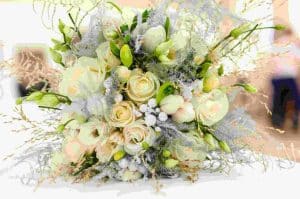
If you’re going for timeless elegance, think soft colors, flowing textures, and delicate blooms. Roses, peonies, ranunculus, and hydrangeas are perfect choices. Soft palettes like blush, ivory, champagne, and dusty blue work beautifully with this theme. Classic weddings pair well with symmetrical arrangements, cascading bouquets, and lush floral arches.
Boho & Rustic
For bohemian or rustic weddings, focus on earth-inspired elements such as dried flowers, pampas grass, wildflowers, eucalyptus, and textured greenery. Consider loose, airy arrangements with muted neutrals or warm earthy tones like rust, terracotta, mustard, and sage. These florals pair perfectly with outdoor venues, wooden accents, and natural backdrops.
Modern & Minimalist
A modern theme thrives on simplicity and structure. Opt for clean lines, monochrome palettes, and bold statement flowers. Orchids, calla lilies, anthuriums, and tropical leaves create a sleek, editorial look. Pair this style with geometric vases, asymmetrical arrangements, and soft lighting.
Tropical & Beach
Tropical weddings call for vibrant, bold, and exotic flowers. Think birds-of-paradise, hibiscus, protea, and lush palm leaves. These blooms thrive in warm environments and complement ocean views, sunshine, and outdoor seaside ceremonies. Incorporate bright hues like coral, hot pink, lemon yellow, and ocean blues.
2. Consider the Wedding Venue
Your venue plays a huge role in determining what flowers will look best—and which will hold up under environmental conditions. Each venue has its own character, lighting, and atmosphere. The key is choosing flowers that highlight its strengths and blend naturally with its surroundings.
Indoor Ballroom
Ballrooms offer glamour, space, and a controlled climate. Larger installations—like grand centerpieces, tall arrangements, and dramatic floral arches—fit well in high-ceiling spaces. Because lighting is more refined indoors, you can play with soft pastels, bold jewel tones, or elegant whites without worrying about sun exposure or weather damage.
Garden or Outdoor Venue
Outdoor locations already come with natural beauty. Instead of competing with the landscape, choose flowers that complement the setting. Seasonal blooms, greenery-heavy arrangements, and whimsical bouquets blend effortlessly with gardens or open fields. Also consider sturdier flowers that can withstand heat or wind.
Beach Weddings
Salt, wind, and humidity can affect delicate flowers. Opt for hardy blooms like orchids, anthuriums, protea, or tropical greens that stay fresh longer. Keep arrangements simple and natural to complement the open, airy environment. Driftwood, seashells, or sand-inspired colors can elevate the aesthetic.
Rustic Barn or Farm
Barn weddings pair beautifully with wildflowers, sunflowers, dahlias, and loose, hand-tied bouquets. Think natural, relaxed designs with mixed textures, dried elements, and earthy tones. Consider wooden barrels, mason jars, lanterns, and vintage décor to complete the rustic ambiance.
Chapel or Historic Venue
For traditional venues, classic floral choices like roses, lilies, or hydrangeas create a timeless look. Soft colors and symmetrical arrangements enhance architectural details without overpowering them. Aisle flowers, pew markers, and altar pieces work especially well.
3. Prioritize Seasonal Flowers
Seasonal blooms are often fresher, more vibrant, and cost-effective. Choosing flowers that are naturally in season makes your arrangements look fuller and more organic. Here are a few examples:
- Spring: Peonies, tulips, lilacs, garden roses
- Summer: Dahlias, sunflowers, zinnias, hydrangeas
- Fall: Chrysanthemums, ranunculus, marigolds, pampas grass
- Winter: Amaryllis, anemones, pine greenery, roses
Working with seasonal flowers also allows your florist to craft arrangements that reflect nature’s organic beauty during your wedding month.
4. Match Your Color Palette
Your wedding color palette should guide your floral colors. Whether you want bold, dramatic hues or soft, romantic shades, flowers can help bring your palette to life. Start with two to three primary colors, then add complementary shades and greenery.
For example:
- Blush + White + Gold: Romantic and timeless
- Terracotta + Rust + Neutral Green: Boho and earthy
- Black + White + Emerald: Modern and elegant
- Coral + Bright Pink + Teal: Tropical and fun
Flowers act as your visual anchor, tying together the bridesmaid dresses, table décor, invitations, and venue styling.
5. Don’t Forget Your Bouquet Style
Your bouquet is one of the most photographed elements of your wedding. Choose a style that matches both your theme and dress silhouette.
Popular Bouquet Styles Include:
- Round Bouquet: Classic and polished
- Cascading Bouquet: Dramatic and romantic
- Hand-Tied Bouquet: Natural and effortless
- Asymmetrical Bouquet: Modern and artistic
- Mini-Bouquet / Posy: Simple and elegant
Make sure your bouquet feels comfortable to hold and aligns with the overall look of your venue and décor.
6. Work Closely With a Professional Florist
An experienced wedding florist plays a huge role in bringing your vision to life. They understand color theory, seasonality, venue logistics, and design balance. When consulting your florist, bring inspiration photos of flowers, colors, and arrangements that match your theme. At the same time, stay open to professional recommendations—they often know which flowers last longer, which designs complement your venue, and how to maximize your budget.
7. Balance Aesthetics With Budget
Flowers are stunning, but they can also be a significant part of the wedding budget. To save without sacrificing beauty:
- Choose in-season flowers
- Mix premium blooms with greenery
- Repurpose ceremony florals for the reception
- Focus on key statement pieces rather than decorating every corner
Strategic choices ensure you get breathtaking designs without overspending.
Final Thoughts
Choosing wedding flowers that match your theme and venue is all about harmony, creativity, and intentional design. When your floral choices align with your setting, your celebration becomes more cohesive, immersive, and memorable. Whether you’re dreaming of a lush romantic garden, a chic modern setup, or a breezy beach wedding, the right flowers can transform your vision into reality. Work with your florist, trust your instincts, and enjoy the process—your flowers will be one of the most beautiful reflections of your love story.
